
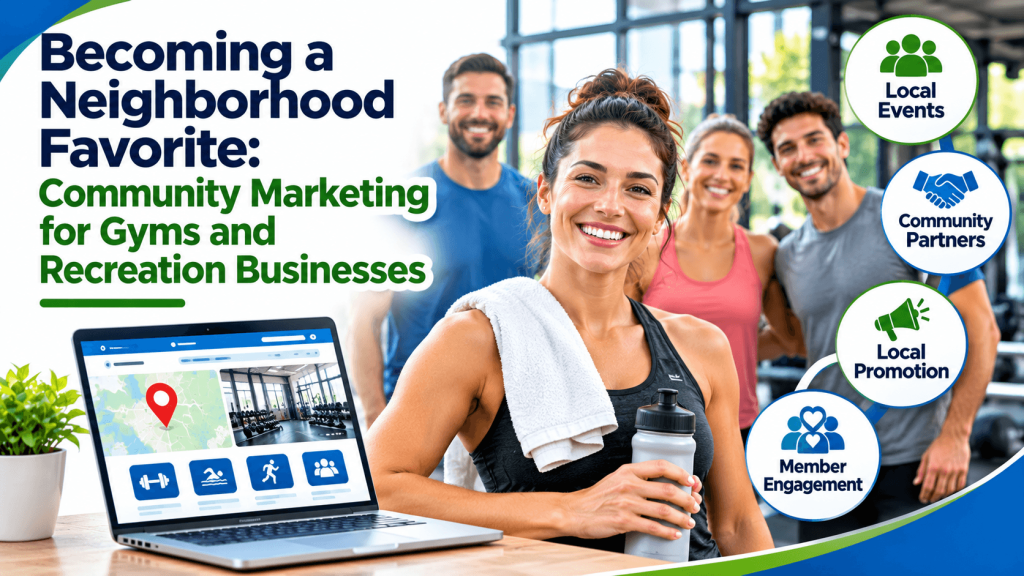
A small climbing gym in Salt Lake City competes with large fitness chains offering cheap memberships. Instead of matching prices, the owners host free beginner nights, sponsor a youth climbing team, and partner with a nearby outdoor shop on gear clinics. Within a year, neighbors start recommending the gym to friends by name.
For gyms, fitness studios, martial arts schools, and recreation centers, community involvement can build recognition that advertising alone rarely achieves.
Host Events That Welcome Newcomers
Many people are curious about a new activity but nervous about walking in. Free introductory classes, open houses, family days, and charity workouts lower that barrier. Keep these events friendly and pressure-free, so attendees remember the experience rather than a sales pitch. Have a few staff members ready to answer questions, explain equipment, and help beginners feel comfortable, since that first impression often decides whether someone returns.
Promote events through your Google Business Profile posts, social media, email list, and local community calendars. Afterward, share photos with participants’ permission so others can see what they missed next time.
Build Partnerships With Nearby Businesses
Local partnerships extend your reach naturally. A yoga studio might offer a session at a neighborhood coffee shop, while a sports training facility could work with physical therapists or school athletic programs. Sponsoring a local 5K, youth league, or community fundraiser also introduces your name to engaged residents.
These relationships often lead to genuine mentions on partner websites, event pages, and local news coverage. Those mentions help people discover you and can support your broader online presence over time.
Make It Easy to Find You After the Event
Community marketing works best when people can easily find you afterward. Keep class schedules, membership options, location details, and contact information current on your website and listings. A person who enjoyed a free class should be able to search your name and immediately see how to come back.
Directory listings add another place for curious neighbors to discover you. A complete profile in the Top Businesses sports and recreation directory helps local residents browse fitness and recreation options and confirm your details. Make sure it matches the schedule and contact information on your website.
Conclusion
Gyms and recreation businesses grow fastest when the community knows and trusts them. Host welcoming events, build genuine local partnerships, and keep your information easy to find, including on Top Businesses. Those efforts turn curious neighbors into regular members.
Frequently Asked Questions
How often should a gym host community events?
Monthly or quarterly events work well for many small gyms and studios. Choose a rhythm your staff can sustain without burning out. Consistent events, such as a recurring beginner night, often build more awareness than occasional large events that take months to organize.
Is sponsoring youth sports teams worth it for a fitness business?
It can be, especially if your services connect naturally to the families involved. Sponsorships build local goodwill and recognition. Track results by asking new members how they heard about you, and focus on sponsorships that align with your community and target audience.
Should my gym list membership prices online?
Many customers appreciate clear pricing or at least starting rates before visiting. If you prefer to discuss options in person, explain membership types, trial offers, and what’s included. Transparent information reduces hesitation and helps people decide whether to attend an introductory class.
How can a fitness studio get mentioned on local websites?
Participate in community events, partner with nearby businesses, offer expert input to local publications, and support charity fundraisers. These activities often lead to natural mentions on event pages, partner websites, and local news. Focus on genuine involvement rather than requesting links.